This is one of the best-known and most programmatic symphonies in classical music.
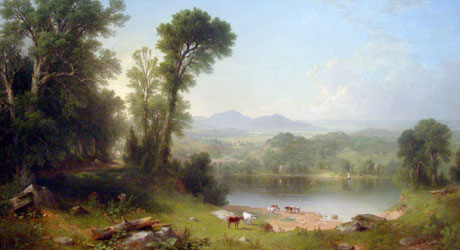
Composed in 1808, it reflects Beethoven’s deep feeling for nature, no doubt due in some measure to his numerous walks in the countryside around Vienna. Each of the five movements is subtitled and reflects a particular mood.
The first movement allegro (“awakening of joyful feelings on arriving in the country”) is announced by the violins, and in turn taken up by winds and the full orchestra. “Scene at the brook” features a rustling accompaniment of second violins, violas and solo ‘cellos set against melodic motifs in the first violins and winds. Rustic dances are featured in the “happy gathering of the country folk” which follows.
The dramatic “thunder, storm” movement, with sudden bursts by timpani and brass, suddenly interrupts the country revels. Then the storm departs, the sun breaks through, and the “shepherd’s song,” with “happy and thankful feelings after the storm,” takes us to the end of this musical journey.
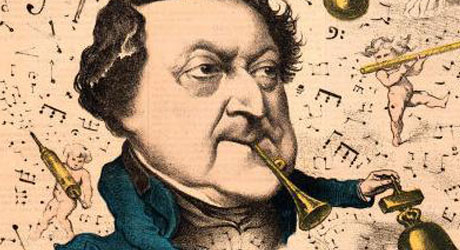
Gioacchino Rossini (1792-1868) is best known for his masterful comic operas. He was a prolific composer who, at one point, composed 16 operas in 6 years – and then retired when he was 37 years old!
Rossini wrote this overture for one of his best-known operas, The Barber of Seville, which premiered in Rome in 1816. Opening with a loud fanfare, it immediately drops to a whisper – foreshadowing the comic (yet elegant) nature of the piece. Abruptly shifting gears to a fast tempo in a minor key, Rossini alternates thunderous fortissimos with witty wind melodies. Several long crescendo passages add even more drama to the overture, which finishes with a flourish at the end of a breakneck finale.
On his first trip to the British Isles in 1829 Mendelssohn paid a visit to Scotland, which made a deep impression on him and inspired several future compositions. In 1842, he completed his “Scottish” Symphony (his last symphony) and dedicated it to the young Queen Victoria.
While not programmatic, the symphony is atmospheric and contains many original elements. One of its most striking features is that it is meant to be played continuously – with no break between movements – which was unusual for the time. The first movement opens with a slow introduction in the winds and violas followed by an agitated allegro based upon the opening theme. A recapitulation of the slow opening serves as a transition to the sprightly scherzo, with its alternating dance themes in the winds and strings.
The following adagio is in the style of a “song without words,” with a lyrical theme alternating with a stern foreboding one.
The last movement opens with an agitated, onrushing series of passages before transitioning to a fugue-like section and a quiet transition featuring a clarinet-bassoon duo. The movement closes with a majestic rolling theme, in the major key, full of joy and hope.
Mozart composed this opera aria in 1776. The text, taken from the opera Arsace, describes the bitter parting of two lovers who wonder if they will ever see each other again. The aria is composed in rondo form, with words of tender farewell sung in the slower tempo and words of despair (railing against cruel fate) sung in the faster sections.