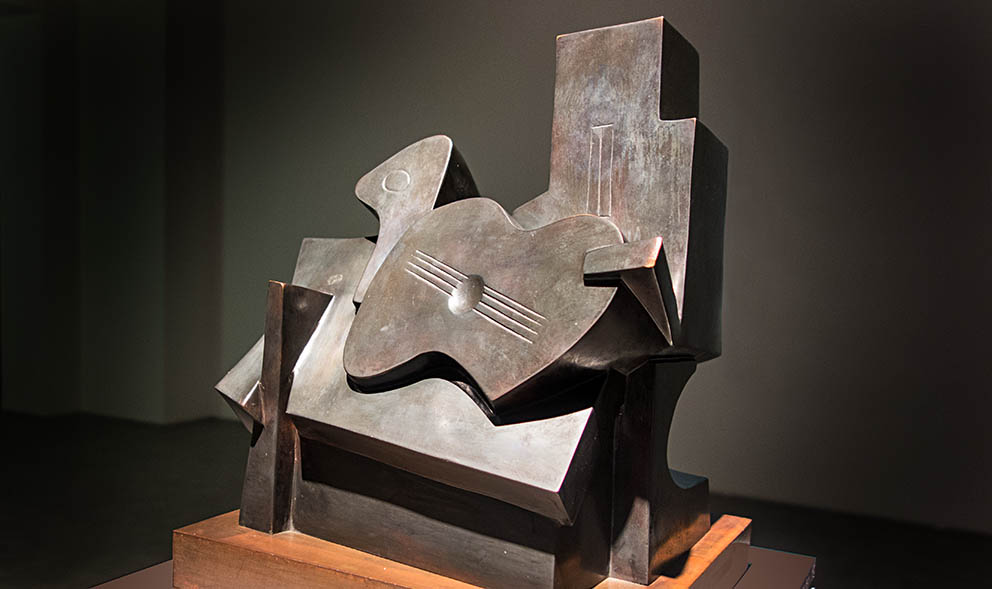
The Concierto received its first performance at the Royal Festival Hall, London, on April 15, 1982. The performers were the British cellist Julian Lloyd Webber, who had commissioned the concerto, and the London Philharmonic Orchestra conducted by Jesús López-Cobos.
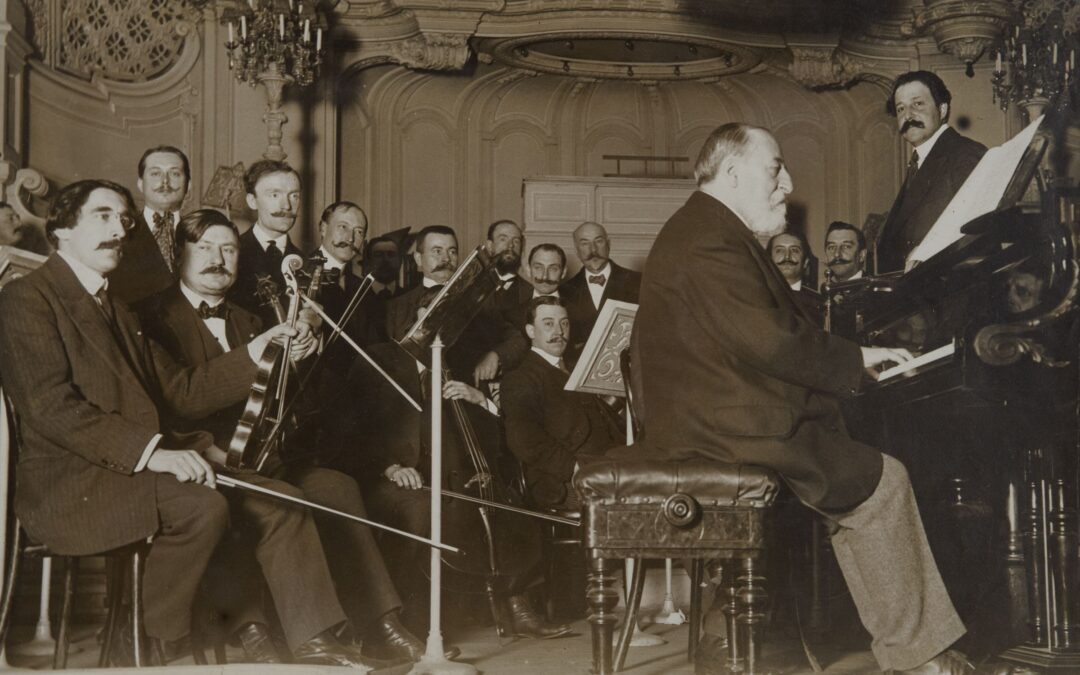
Saint-Saëns dedicated the concerto to fellow composer-virtuoso Pablo de Sarasate, who performed the solo part at the premiere in October 1880 in Hamburg.
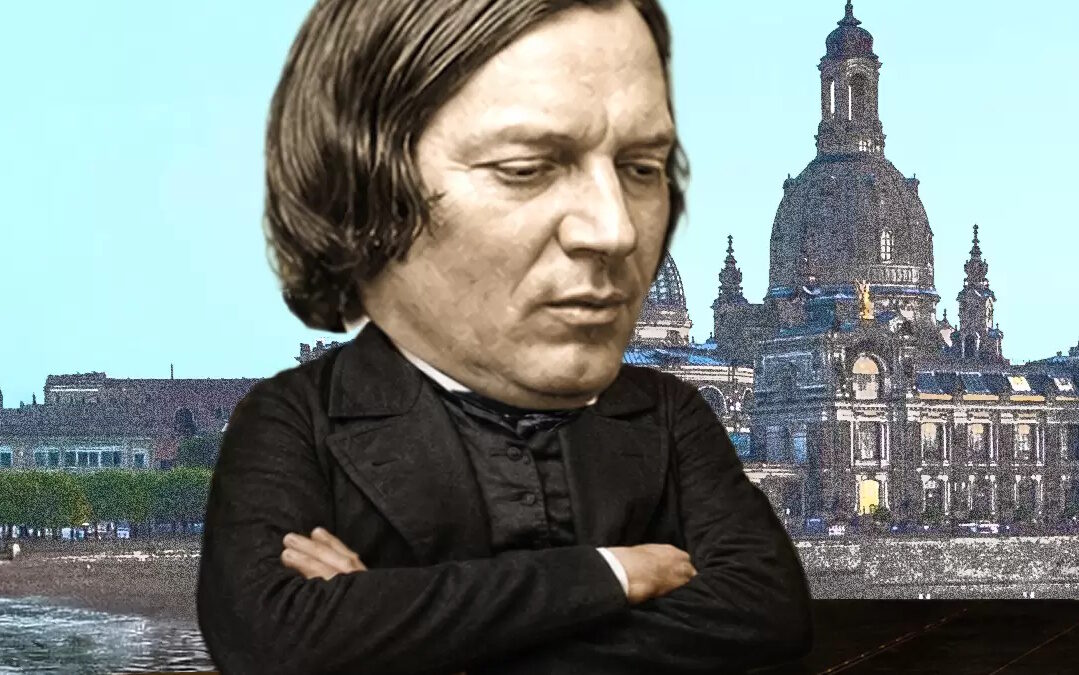
The A-minor piano concerto came to fruition during a productive time in Schumann’s life. It is one of his best-known works, and one of the most widely performed and recorded piano concertos of the romantic era.
The first movement was originally composed as a “Phantasie” for piano and orchestra in 1839. His wife, Clara, was herself an accomplished pianist, and she encouraged her husband to turn it into a full-scale concerto. Five years later Schumann added an intermezzo and rondo-finale. The full three-movement concerto was premiered by Clara on December 4, 1845.
Schumann himself described this work as “something between symphony, concerto and grand sonata,” and it clearly has elements of all three. The first movement is basically monothematic, with the theme being introduced by the oboe and accompanying wind choir. In line with its origin as a “fantasy-piece,” it features abrupt changes of tempo and mood, highlighting the unusual uses to which Schumann adapts his thematic material. The intermezzo’s main theme is a classically based staccato scale motif (introduced by the piano); a second theme of sweeping lyricism is initiated by the ‘cellos. After a brief return to the first movement’s opening motif by the winds, the intermezzo leads without a break into the exuberant third movement. This finale, in A Major, is in a rondo form based on the first movement’s thematic material. It is punctuated by pianistic flourishes and cross-rhythmic syncopated passages, finishing with a sustained and dashing coda.
Erich Wolfgang Korngold was the son of Julius Korngold, the most influential music critic in early 20th-century Vienna. His parents, who came from a bourgeois Jewish background, gave their son his middle name in honor of Wolfgang Amadeus Mozart. He grew up in turn-of-the-century Vienna, a world capital of music – the city of Brahms, Strauss and Mahler. Korngold was regarded as one of the most avant-garde Viennese composers of his day. A musical prodigy, he started composing at the age of six. When he was 10, his father took him to meet the great Gustav Mahler, who pronounced him “a genius.” His works, including piano pieces, a piano trio, and a ballet-pantomime, started being published in his early teens. Numerous other compositions followed, including operas (such as “Die tote Stadt”), piano sonatas, chamber music, songs, and other stage works.
He thrived up until the mid-1930s, when the threat of Hitler and Nazi Germany started to loom large. In 1934, Korngold was asked by Max Reinhardt, a prominent director with whom Korngold had collaborated in Europe, to travel to Hollywood to work on scoring music for motion pictures. His first film score in 1934 was for a film version of Shakespeare’s “Midsummer Night’s Dream,” and was a success. Despite that, Korngold was not comfortable in Hollywood and went back to Vienna in 1937. As the Nazi threat to Austria loomed, Korngold fortunately was offered another Hollywood contract to score films and took it, leaving Vienna in early 1938 right before the Nazi takeover of Austria.
Once in Hollywood Korngold became the most celebrated film composer of cinema’s “golden age.” Drawing on his musical background in concert music, opera and operetta, he wrote scores for such celebrated films as “The Adventures of Robin Hood,” “Captain Blood,” Elizabeth and Essex,” “The Sea Hawk,” “Green Pastures,” and many others, winning two Oscars for film scoring. Through his film scores, Korngold created the “Hollywood style” of film music, which still influences film composers up to the present day.
During World War II, Korngold focused exclusively on his film scores. After 1945, he began once again to compose classical pieces – among them two concertos, a symphony and a string quartet. His violin concerto – with its soaring lyricism, virtuosic demands, and cinematic drama – quickly became a favorite of the solo violin repertoire. It was premiered by Jascha Heifetz in 1947 and was an artistic triumph, quickly becoming a staple of the violin concerto literature. Its style is hyper late-romantic, with Korngold’s lush tonal colors and typical instrumentation featuring vibraphone, harp, celesta, glockenspiel and bells.
The concerto is in three movements, each of which is based on themes taken from his 1930s film scores. The Moderato nobile is in a traditional format (exposition, second theme, development, recapitulation, and coda). Its opening soaring theme (in fourths and fifths) is taken from his film “Another Dawn.” Its second lyrical theme comes from “Juarez.” The meditative Romance is a prolonged meditation on a love theme (”Anthony Adverse”), and features a “mysterioso” section in the middle which pushes harmonic boundaries. The Finale is based on themes from “The Prince and the Pauper,” featuring a rollicking initial motif introduced by the soloist, and a dramatic second-theme climax leading to a triumphant ending.
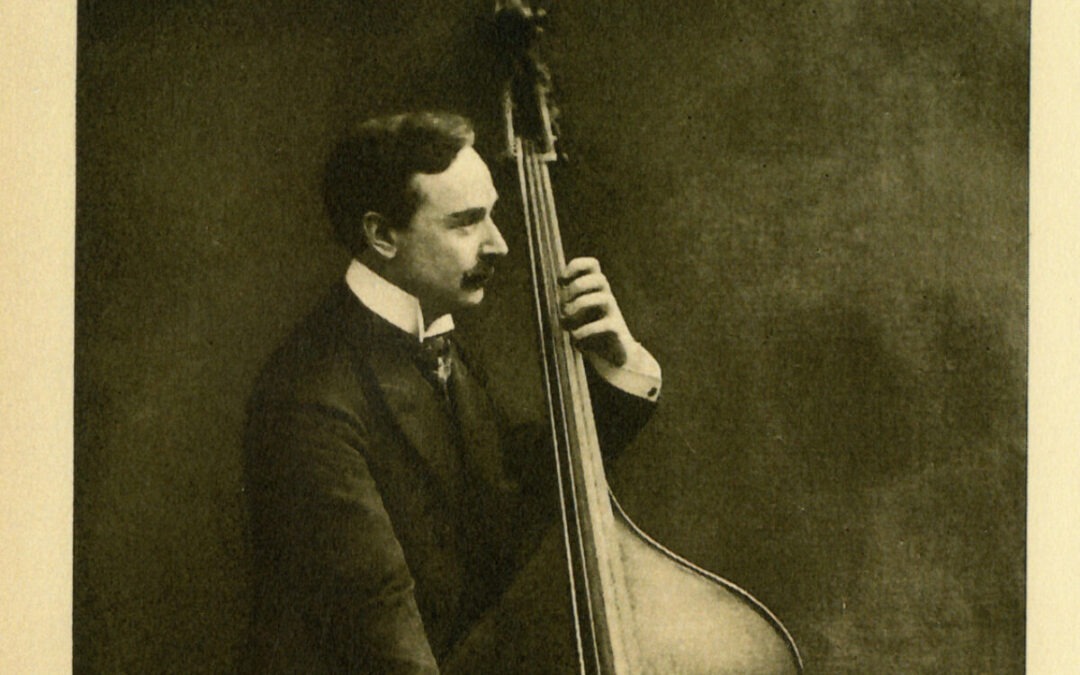
Before becoming music director of the Boston Symphony Orchestra in 1924, Serge Koussevitzky was a celebrated Russian double-bass virtuoso and champion of the instrument. He composed his bass concerto between 1902 and 1905, and it was premiered in 1905 with the Moscow Philharmonic (with Koussevitzky himself as the soloist. It has since become one of the best-known works in the double bass repertoire.
The concerto is in three movements, and written in lush late-romantic style reminiscent of Tchaikovsky, Dvoràk and Rachmaninoff. It showcases both the lyrical and virtuosic aspects of the solo double-bass, in contrast to its typical orchestral role.
The first movement Allegro opens with a stirring 6-note introduction in the French horns, taken up by the orchestra. Two short bass cadenzas in recitative style lead to the first theme, an expressive melody that showcases the instrument’s upper register. The contrasting sections that follow features technical passages and a second lyrical theme, and another virtuosic technical display.
The first movement leads without a break into the soulful Andante, with a reduced orchestral texture and the addition of a harp. The cantabile theme showcases the upper double-bass register, and is echoed by the orchestra. An ethereal ending, featuring the soloist, winds and harp, brings the Andante to a close.
The vigorous third movement Allegro reprises the opening movement, with bravura technical passages leading to an impassioned ending.
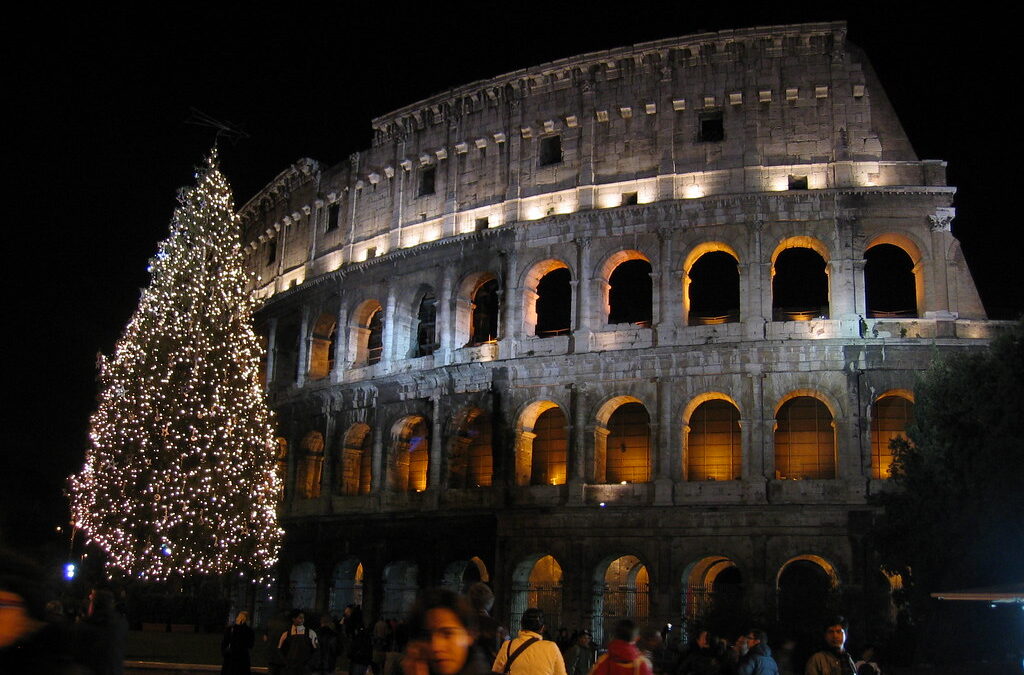
This piece is one of twelve concerti grossi published in 1714 and is one of Corelli’s most famous works. Subtitled “Fatto per la notte di Natale” (i.e., for Christmas night), it was probably composed in 1690 for Cardinal Pietro Ottoboni. This work is scored as a “concerto grosso” for strings and continuo, in which a “solo” group (here, two violins and one ‘cello) play in contrast with the rest of the strings (the “ripieno”).
This concerto features five contrasting movements. A quick opening Vivace leads to a slow Grave, replete with suspensions. The following Allegro contrasts the solo instruments with the ripieno, with suspensions in the two solo violins and florid solo ‘cello passages. The melodic Adagio movement, featuring the solo instruments, is interrupted by a sudden quick “ripieno” section before reprising its slow opening. After a spritely Vivace, a fiery Allegro movement highlights fast passages in the first solo violin. It connects directly with the concluding Pastorale, written in a slow contemplative manner, with unison drones evoking shepherds in the fields on Christmas Eve.
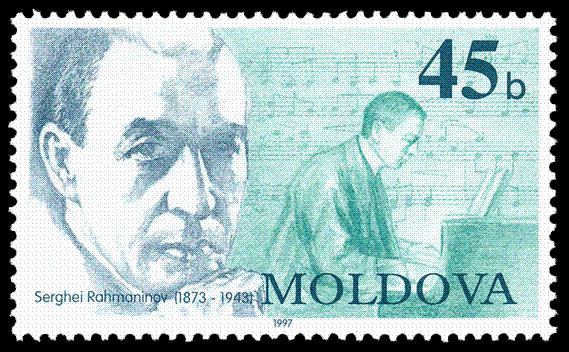
Rachmaninoff was already a budding composer and pianist when he composed this concerto, one of his most famous and recognizable works, in 1901. The circumstances surrounding Rachmaninoff’s composition of this concerto are quite dramatic. After a disastrous 1887 premiere of his first symphony, Rachmaninoff fell into 3-year depression and stopped composing. At the urging of his family, Rachmaninoff sought help from Dr. Nikolai Dahl, a family friend and musician, to cure him of his depression. Dr. Dahl treated him for three months with hypnotherapy, and it worked. Rachmaninoff was able to resume composing, writing his celebrated Piano Concerto No. 2 in 1900-1901 (dedicating it to Dr. Dahl). This concerto firmly established Rachmaninoff’s reputation as a great composer and has since become one of his most popular works.
The opening Moderato begins with opening solo piano chords, after which the main theme is stated in unison by the upper strings and clarinet. A transition leads to a forceful cadence; a more sedate tempo (highlighting clarinets and violas) presages the second theme, introduced by the piano. A sudden chorale fanfare in the brass introduces the development section, with new five-note motifs introduced by the cellos/basses and flutes. After a thundering climax, the opening theme reappears in a stately march style. The coda accelerates quickly to a rousing finish, punctuated by the solo piano.
The ultra-lyrical Adagio sostenuto is one of the most recognized works in the concerto repertoire. It opens with a striking orchestral modulation from C Major to E Major, after which the piano enters with repeated triplet arpeggios. The singing main theme is introduced by flute and then shared with the clarinet, before being taken up by the piano and violins in turn. A development section features a counter-subject by the bassoon, followed by the violins and violas. After a faster section, with several piano cadenzas, the opening piano triplets recur, together with the main theme in the violins. The final coda features a sublime interplay between the piano, staccato flutes and clarinets, and a soaring melody in the strings, before resolving to the solo piano at the end of the movement.
The final Allegro scherzando movement begins with a spritely orchestral introduction. After a brilliant piano cadenza, the playful main theme is introduced by the piano. A slower piano passage introduces the second theme, played by violas and clarinets – nostalgic, with a touch of melancholy – one of the most famous themes Rachmaninoff ever wrote. A transition section featuring piano triplets leads to the development; a fugal section follows, taken up in turn by the violins, piano, violas, ‘celli and horns. The second theme is restated; after a further transition and development, a short piano cadenza leads right into a majestic restatement of the second theme. A final accelerando leads to a triumphant conclusion, with Rachmaninoff’s “signature” rhythmic flourish in the last measure.
22 minutes. Instrumentation: 2 flutes, 2 clarinets, 2 bassoons, 2 horns, 1 trumpet, timpani, percussion, strings, and solo oboe.
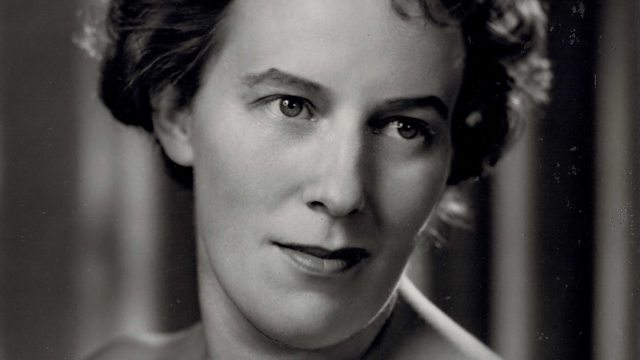
Ruth Gipps, born into a British musical family, was a prolific composer, accomplished oboist, pianist, conductor, and educator. As a child prodigy on the piano, she won performance competitions against much older contestants and performed her first composition at the age of 8.
As an oboist, married to a clarinetist, and mother of a horn player, Gipps composed with a deep understanding of wind instruments. Her oboe concerto, written in 1941 when she was only 20, is no exception and draws on pastoral themes of Gipps’ surroundings.
A dark and stormy theme opens the piece, with a foreboding ostinato (persistent motif) in conflict with the lyrical solo oboe. Throughout the movement, an uneasy call and response passes throughout the orchestra. The second movement is a wistful dialogue between oboe, clarinet, and solo violin, accompanied by strings. The pastoral third movement begins with the oboe plummeting into a sprightly jig. The energy shifts to a quasi-improvisational oboe interlude accompanied by a drone in the winds reminiscent of a Scottish reel. The oboe closes out the movement with a fiery cadenza and a return to spinning, dancing, and joy.
Gipps’ career encompassed orchestral playing, solo performances, studying, teaching, conducting, and composing until age 33, when an injury forced her to focus mainly on composing and conducting. Her compositions often draw inspiration from Vaughan Williams. Because she rejected the evolving trends in modern music, such as serialism and twelve-tone music, people began to think of her music as old-fashioned. Affected by gender discrimination, she was limited from the performing, recording, and broadcasting of her work during her lifetime.
It took 80 years for her Oboe Concerto to have its American premiere, with the Richmond Symphony in 2021. Her work has begun a revival, which is something she predicted would happen: “I know I am a real composer, perhaps they will only realise it when I am dead.” This afternoon’s performance is the concerto’s New York premiere.
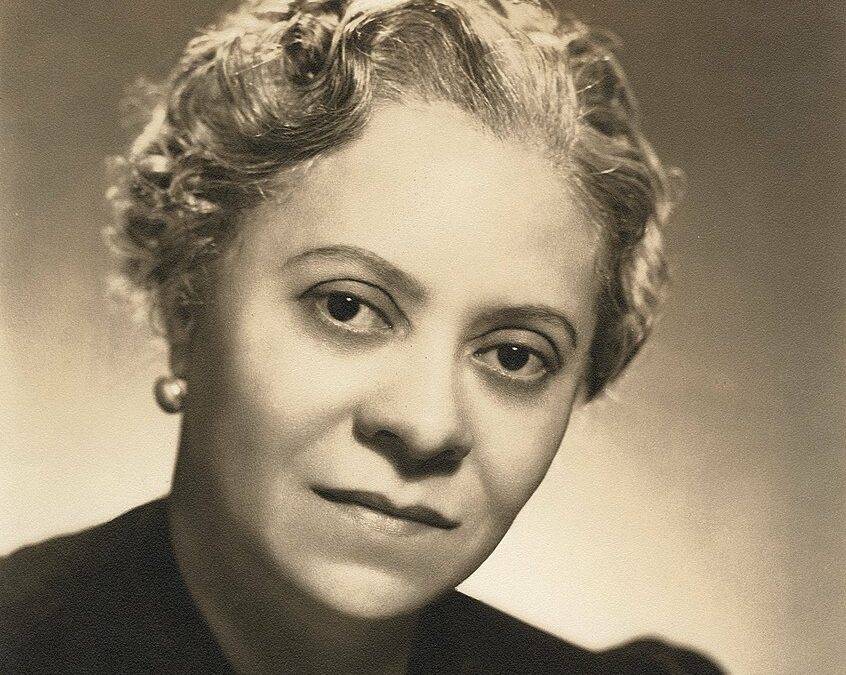
Just fifteen years ago, piles of sheet music and writings were discovered in an abandoned house slated for demolition. Inside were dozens of unpublished scores, including a symphony and two violin concertos. The house had been the summer residence of Florence Price, a child prodigy who was valedictorian at 14 and studied at the New England Conservatory of Music. She was a pianist, organist, teacher, and composer who had written over 300 pieces of music: four symphonies, four concertos, choral works, vocal work, chamber music, and solo pieces, as well as popular songs. She achieved a degree of success, but during her lifetime she faced challenges in achieving recognition and performance opportunities due to racial and gender bias. Despite that, her “Symphony in E minor” was performed by the Chicago Symphony orchestra in 1933, making her the first Black woman to have a symphony performed by a major American orchestra.
The Second Violin Concerto, completed a year before her death (and later found in the abandoned house), was written in a single movement in the form of a rhapsody. It is framed in the western classical structure, combining lyrical romanticism, impressionist harmonies, and elements of West African and African American spiritual and dance traditions. It is a compact single movement work, richly orchestrated, with contrasting motivic sections and bravura solo violin passages.
As Antonin Dvorak had incorporated folk and national elements into his music, Price, along with other composers of the time, sought to further expand the classical canon with a fusion of traditional and vernacular. Alex Ross, in the New Yorker, wrote, “This terse, beguiling piece has an autumnal quality reminiscent of the final works of Richard Strauss. It deserves to be widely heard.”
Violin Concerto No. 2 written by Florence Price used by permission of G. Schirmer, Inc., Publisher
Jennifer Higdon’s Viola Concerto was jointly commissioned by the Library of Congress, the Nashville Symphony, the Curtis Institute of Music, and the Aspen Music Festival. It premiered March 7, 2015 at the Thomas Jefferson Building in Washington, D.C., with conductor Robert Spano leading violist Roberto Díaz (playing a Stradivarius viola) and the Curtis Chamber Orchestra. The work won the 2018 Grammy Award for Best Classical Contemporary Composition.
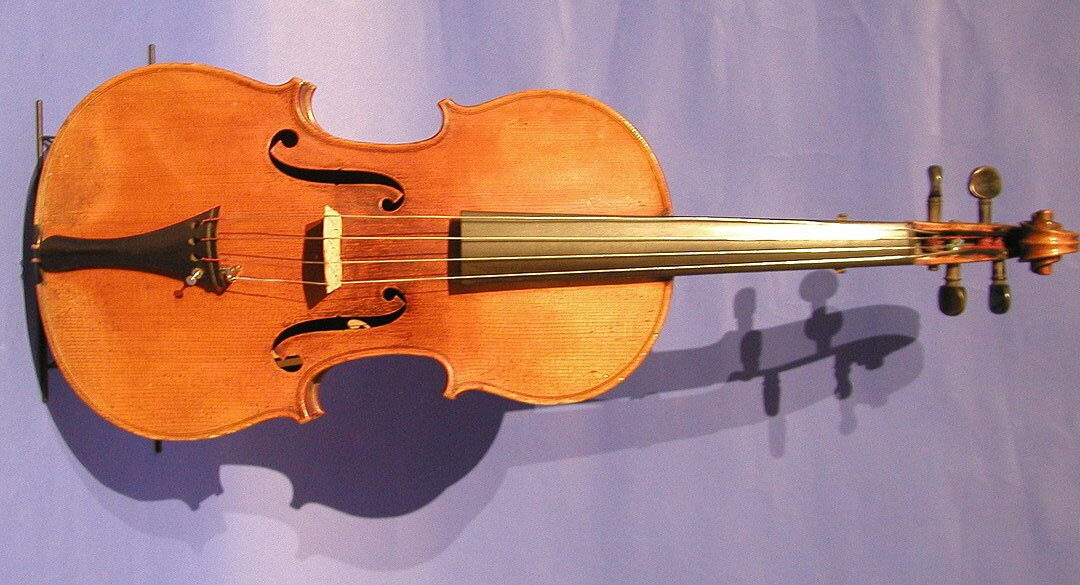
Usually embedded in the orchestra, the viola is pitched between the violin and cello. In the Viola Concerto it takes center stage. Higdon made a concerted effort to make her concerto very “up” and lively, as these are qualities not normally associated with the viola and not present in many other viola concertos. Weaving virtuosic lines into the entire orchestra, she also explores the viola’s lower ranges, darker colors, and the best speeds to take the instrument. Higdon made a conscious effort to write something that, in her own words, “sounded really American,” as the concerto was commissioned by several American institutions.
Listen in the First Movement for the low, lyrical melodies in the solo viola, ethereal textures in the orchestra, and dialogues with orchestra members, including clarinet and violin. In the Second Movement, the orchestra is in “perpetual motion” reminiscent of Barber (another American composer, famous for his Violin Concerto.) The orchestra zigs and zags in dotted, jazzy, darting lines, and the percussionist has an especially virtuosic part, playing many different instruments. Movement 3 opens with a plaintive brass chorale, but returns to the themes of the second movement. Listen for a “trio” between the solo viola and principal violin and cello. After hearing this concerto, you’ll know that the viola isn’t just “a big violin!”